The Importance of Safe Practices in Your Home
Home safety is crucial, especially when it comes to handling electrical systems. Proper knowledge and practices can prevent accidents and ensure the well-being of your family. This guide explores various aspects of maintaining a safe environment in relation to your home’s electrical setup. By understanding potential risks and learning effective prevention strategies, you can protect yourself and your loved ones from unnecessary harm.
Recognizing Potential Hazards
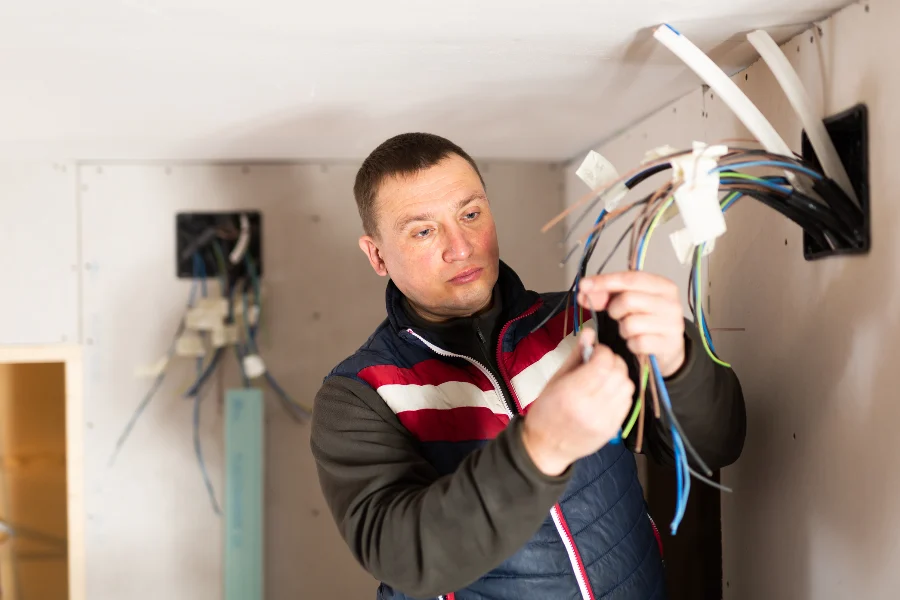
Identifying hazards related to electrical wiring is essential for home safety. Common issues include outdated systems, exposed wires, and overloaded circuits. Recognize these signs early to avoid serious problems. Exposed wires can lead to shock or fires. Overloaded circuits might cause overheating and damage appliances. By understanding these risks, homeowners can take proactive measures to maintain a safe living space.
Essential Tools for Electrical Safety
Having the right tools is key to ensuring electrical wiring is correctly managed. Basic tools like voltage testers and insulated pliers are vital. A voltage tester helps in safely checking if wires are live before handling them. Insulated pliers protect against accidental shocks while working on live connections. These tools help you perform minor tasks safely without professional help when used properly.
Common Mistakes and How to Avoid Them
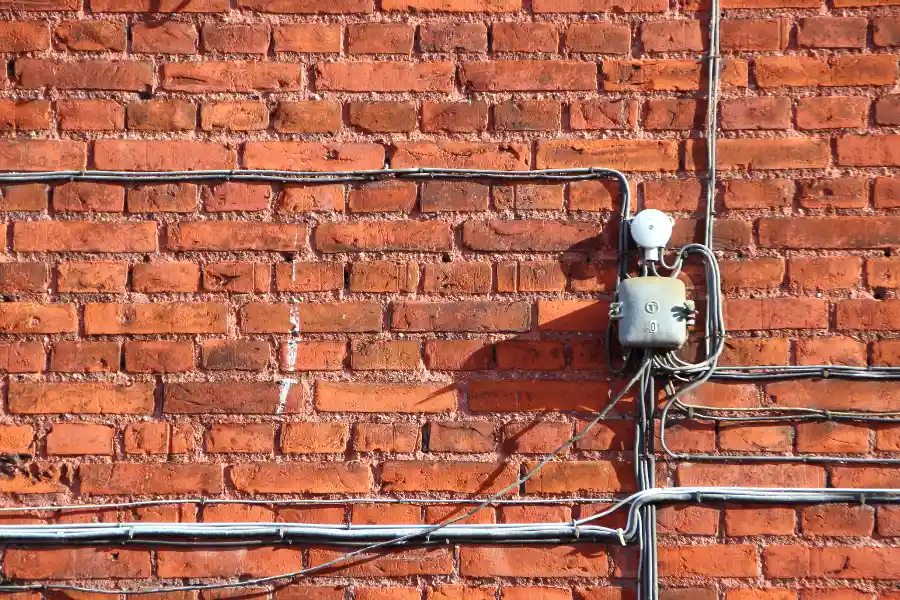
Avoiding common errors with electrical wiring can enhance safety. Some frequent mistakes include using incorrect wire sizes, neglecting grounding, and overloading power strips. Choosing wrong wire sizes may result in overheating. Grounding provides a path for excess electricity, preventing shock. Overloading power strips can cause fires due to excessive heat buildup. By staying informed about these issues, you can implement safer practices at home.
Best Practices for Maintenance
Regular maintenance ensures the longevity and safety of your electrical systems. First, schedule routine inspections with a qualified electrician. Second, replace old or damaged outlets and switches promptly. Third, ensure that all appliances are in good working condition. Following these steps minimizes risks associated with faulty equipment and extends the life of your home’s electrical system.
- Schedule routine inspections
- Replace old outlets and switches
- Maintain appliance conditions
Understanding Regulations and Standards
Adhering to regulations and standards is critical for safety compliance. The National Electrical Code (NEC) outlines necessary guidelines for installations and repairs. Compliance with these standards prevents legal issues and enhances home safety. Always check local building codes before starting any project involving electrical work. Hiring certified electricians ensures adherence to these important regulations.
Cost Considerations for Safety Improvements
Investing in safety improvements offers long-term benefits despite initial costs. Rewiring an older home or upgrading the circuit breaker can be expensive but prevents major repair expenses caused by failures. Quality materials might cost more upfront but reduce risks of fire hazards significantly. Consider these factors as investments toward enhancing safety and protecting property value.
Your Path to Enhanced Home Safety
Ensuring the safety of your home begins with understanding potential threats related to electrical systems. By recognizing hazards, equipping yourself with the right tools, and adhering to best practices, you can create a safer environment for your family. For tailored advice or professional assistance, reach out today at (425) 428-6396. Advantage Electric proudly serves clients throughout Everett, WA with expert solutions for home safety.