Essential Factors to Ensure a Successful Power Solution
Installing a generator is a significant decision that can safeguard your home or business during power outages. Understanding the key considerations for this process is vital to ensure efficiency and reliability. Whether you’re opting for emergency backup or consistent power supply, knowing what to prioritize can make all the difference. This guide will walk you through essential factors to consider when planning for a generator installation, helping you make informed choices that best suit your needs.
Understanding Energy Needs
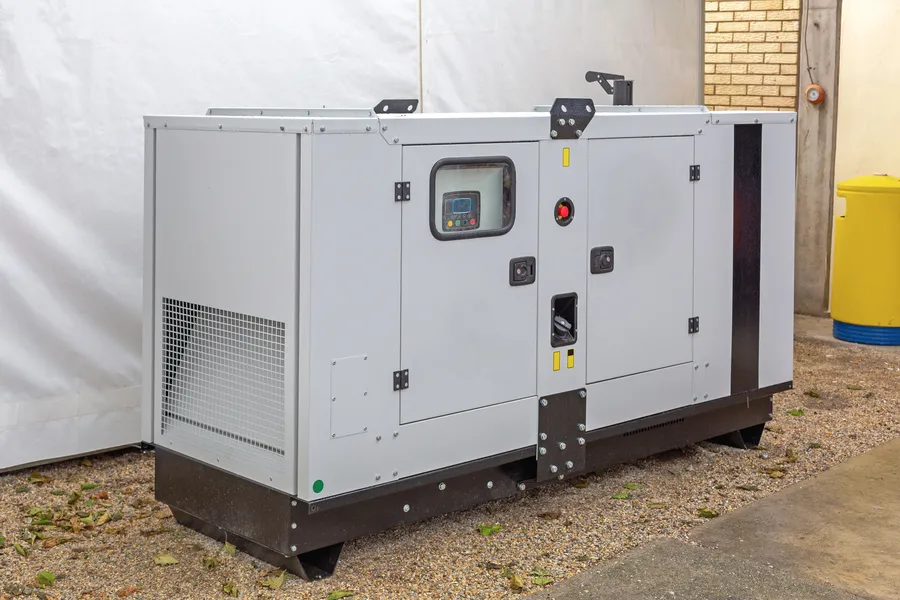
Evaluating your energy requirements is the first step in choosing the right generator. You need to determine which appliances and systems are crucial during an outage. Calculate the total wattage these devices consume to help select a generator with sufficient capacity. Accurate estimation ensures that you choose a unit that can handle your load without overloading.
Choosing the Right Type of Generator
Generators come in various types, each suited for different scenarios. Portable generators are great for short-term use and lower power demands. However, if you’re looking for long-term solutions, standby generators provide more robust and automatic operation. Assessing your specific needs helps you decide whether portability or permanence fits your situation better.
Location and Installation Requirements
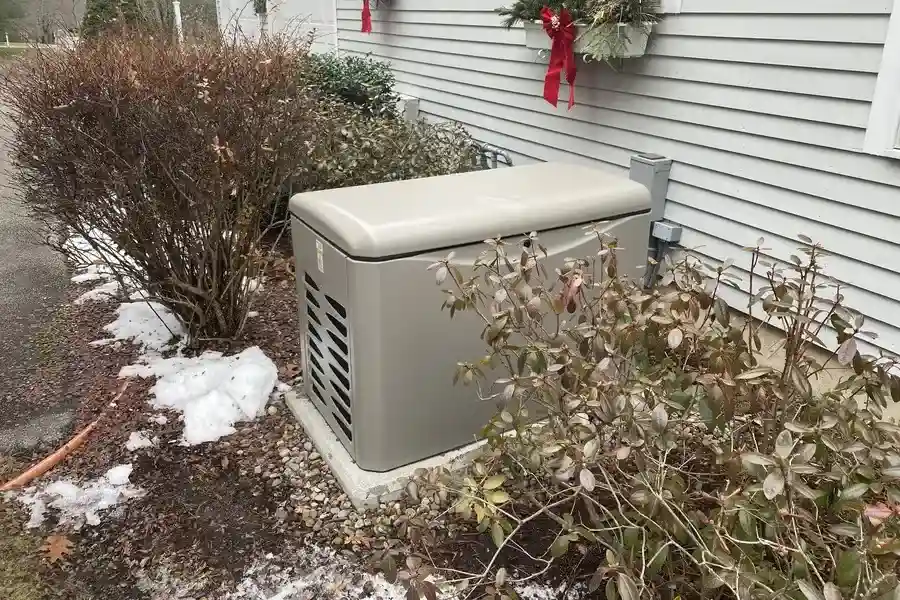
Selecting an appropriate location for your generator installation is crucial for safety and efficiency. It should be placed outdoors, ideally on a stable surface like concrete, at least 5 feet away from doors and windows. Proper ventilation prevents carbon monoxide buildup, ensuring safe operation. Be sure to consult local building codes and regulations before installation.
Budgeting Costs Effectively
The cost of a generator installation extends beyond the purchase price of the unit itself. You should also account for permits, professional installation fees, maintenance plans, and possible fuel costs. By budgeting effectively, you avoid unexpected expenses and invest wisely in a solution that meets both your financial and operational requirements.
Fuel Source Considerations
Your choice of fuel impacts how your generator operates and its overall cost-effectiveness. Common fuel types include gasoline, diesel, natural gas, and propane. While gasoline may be easier to access, it’s not as efficient as propane or natural gas in the long run. Evaluate the availability and cost of each fuel type in your area to choose the most sustainable option.
Maintaining Your Generator
Regular maintenance is necessary to keep your generator running smoothly. Basic upkeep includes checking oil levels, inspecting spark plugs, and ensuring air filters are clean. It’s also wise to schedule annual professional inspections. Keeping up with maintenance not only prolongs the life of your generator but also ensures it performs reliably when needed.
Finding Professional Installation Services
A professional installer guarantees that your setup complies with all electrical standards and safety codes. Experienced electricians understand the nuances of connecting generators safely to existing circuits. Hiring experts reduces risks associated with DIY installations and assures peace of mind regarding ongoing performance and safety.
Make an Informed Choice Today
Deciding on a generator is an investment in comfort and security. At Advantage Electric, we pride ourselves on delivering expert advice tailored to your unique needs. Contact us at (425) 428-6396 to discuss your options further. Our team serves clients throughout Everett, WA with dedication and expertise, ensuring you have reliable power whenever you need it.